Showing posts with label food dangers. Show all posts

Tuesday, August 20, 2013

Better drop those McDonald`s chicken 'McNuggets' - SHOCKING 'mysterious fibers' found...what else is there?

McDonald's Chicken McNuggets found to contain mysterious fibers, hair-like structures; Natural News Forensic Food Lab posts research photos, video
by Mike Adams, the Health Ranger
Natural News
Friday, August 16, 2013

(NaturalNews) Today we announce the first investigation conducted at the Natural News Forensic Food Laboratory, the new science-based research branch of Natural News where we put foods under the microscope and find out what's really there.

Earlier today I purchased a 10-piece Chicken McNuggets from a McDonald's restaurant in Austin, Texas. Under carefully controlled conditions, I then examined the Chicken McNuggets under a high-powered digital microscope, expecting to see only processed chicken bits and a fried outer coating.

But what I found instead shocked even me. I've seen a lot of weird stuff in my decade of investigating foods and nutrition, but I never expected to find this...

Update: Natural News has now released a second round of "mysterious fiber" photos of Chicken McNuggets, in addition to the photos you see below.

Strange fibers found embedded inside Chicken McNuggets

As the following photos show, the Chicken McNuggets were found to contain strange fibers that some people might say even resemble so-called "Morgellon's."

We found dark black hair-like structures sticking out of the nugget mass, as well as light blue egg-shaped structures with attached tail-like hairs or fibers.

These are shown in extreme detail in the photos below, taken on August 15, 2013 at the Natural News Forensic Food Lab. The actual Chicken McNugget samples used in these photos have been frozen for storage of forensic evidence.

We also found odd red coloring splotches in several locations, as well as a spherical green object that resembles algae.

We are not claiming or implying that these objects in any way make McDonald's Chicken McNuggets unsafe to consume. We do, however, believe that this visual evidence may warrant an FDA investigation into the ingredient composition of Chicken McNuggets.

In particular, where are the hair-like structures coming from? This is especially important to answer, given that chickens do not have hair. Is there cross-species contamination in the processing of Chicken McNuggets? This question needs to be answered.

Share this story with everyone you know.

See my video at:
http://www.youtube.com/watch?v=-fuL-E2hPlc

Or if YouTube censors the video, watch it at our free-speech video site, TV.naturalnews.com:
http://tv.naturalnews.com/v.asp?v=151BC31144DF47CE1D85FB664CCC2A65


Microscopic photos reveal an alien-like landscape with weird shapes and fibers

Here are the some of the photos from the Natural News Forensic Food Lab:


(view more detailed images at Natural News)


Monday, December 24, 2012

Welcome to the world of the newly genetically-modified salmon - 'the Frankenfish'

Genetically modified 'Frankenfish' set to hit shelves after FDA finds salmon that grows twice as fast as normal poses no threat to human health

  • Fish would be the first genetically altered animal approved for food anywhere in the world
  • The AquaAdvantage salmon has an added growth hormone from the Pacific Chinook salmon that allows the fish to produce growth hormone all year long

DAILYMAIL
December 22, 2012

A salmon genetically modified to grow twice as fast as normal earning a nickname of ‘Frankenfish’ has been approved by federal health regulators making it the first scientifically engineered animal for human consumption.

The Food and Drug Administration on Friday released its environmental assessment of the AquaAdvantage salmon, a faster-growing fish which has been subject to a contentious, years long debate at the agency. The document concludes that the fish 'will not have any significant impacts on the quality of the human environment of the United States.' Regulators also said that the fish is unlikely to harm populations of natural salmon, a key concern for environmental activists.

Growth spurt: The overwhelming size comparison of a genetically modified AquAdvantage Salmon compared to a non-transgenic Atlantic salmon sibling in the foreground of the same age are seen
Growth spurt: The overwhelming size comparison of a genetically modified AquAdvantage Salmon, compared to a non-transgenic Atlantic salmon sibling in the foreground of the same age, are seen

The FDA will take comments from the public on its report for 60 days before making it final.
The FDA said more than two years ago that the fish appears to be safe to eat, but the agency had taken no public action since then. Executives for the company behind the fish, Maynard, Mass.-based Aquabounty, speculated that the government was delaying action on their application due to push-back from groups who oppose genetically modified food animals.
Experts view the release of the environmental report as the final step before approval.

'We are encouraged that the environmental assessment is being released and hope the government continues the science-based regulatory process,' AquaBounty said in a statement.
If FDA regulators clear the salmon, as expected, it would be the first genetically altered animal approved for food anywhere in the world.

Critics call the modified salmon a 'frankenfish.' They worry that it could cause human allergies and the eventual decimation of the natural salmon population if it escapes and breeds in the wild. Others believe breeding engineered animals is an ethical issue.

Restrictions: Some of the fish eggs are seen which are born all female and sterile, though AquaBounty says a small percentage may still be able to breed

AquaBounty has maintained that the fish is safe and that there are several safeguards against environmental problems. The fish would be bred female and sterile, though a very small percentage might still be able to breed. The company said the potential for escape is low. The FDA backed these assertions in documents released in 2010.

Since its founding in 1991, Aquabounty has burned through more than $67 million developing the fast-growing fish. According to its midyear financial report, the company had less than $1.5 million in cash and stock left. It has no other products in development. Genetically engineered – or GE – animals are not clones, which the FDA has already said are safe to eat. Clones are copies of an animal. In GE animals, the DNA has been altered to produce a desirable trait.

The AquaAdvantage salmon has an added growth hormone from the Pacific Chinook salmon that allows the fish to produce growth hormone all year long. The engineers were able to keep the hormone active by using another gene from an eel-like fish called an ocean pout that acts like an 'on' switch for the hormone. Typical Atlantic salmon produce the growth hormone for only part of the year.

Method: The AquaAdvantage salmon, seen growing in their facility's tanks, has an added growth hormone from the Pacific Chinook salmon that allows the fish to produce growth hormone all year long

It is still unclear whether the public will have an appetite for the fish if it is approved. Genetic engineering is already widely used for crops, but the government until now has not considered allowing the consumption of modified animals. Although the potential benefits – and profits – are huge, many people have qualms about manipulating the genetic code of other living creatures.

If the salmon are eventually approved for sale, consumers may not even know they are eating them. According to federal guidelines, the fish would not be labeled as genetically modified if the agency decides it has the same material makeup as conventional salmon. AquaBounty says that genetically modified salmon have the same flavor, texture, color and odor as the conventional fish, and the FDA so far has not shown any signs of disagreeing.

Wenonah Hauter, director of the advocacy group Food and Water Watch, said forgoing labeling not only ignores consumers' rights to know what they are eating, but 'is simply bad for business, as many will avoid purchasing any salmon for fear it is genetically engineered.'

No change: AquaBounty says that genetically modified salmon have the same flavor, texture, color and odor as the conventional fish, and the FDA so far has not shown any signs of disagreeing

Hauter urged members of Congress to block the impending approval of the fish. Congressional opposition to the engineered fish has so far been led by members of the Alaska delegation, who see the modified salmon as a threat to the state's wild salmon industry.
Sen. Lisa Murkowski, R-Alaska, said Friday she is working to convince fellow senators that approval for the fish should be stopped. 'This is especially troubling as the agency is ignoring the opposition by salmon and fishing groups, as well as more than 300 environmental, consumer and health organizations,' she said of the preliminary approval.

Sunday, December 16, 2012

Fluoride Sold As Pesticide Used In Your Water Supply !

Fluoride sold as pesticide; Chinese factories export to U.S. cities for water fluoridation
Uploaded 9/17/2012 by HealthRanger (NaturalNews.com)


Fluoride warning! Much of the fluoride dumped into U.S. water is imported from chemical factories in China. Those factories warn that fluoride is TOXIC to human health.

Fluoride is sold as a PESTICIDE, a nuclear industry chemical and more. SCARY information!

Learn the truth about fluoride.

NaturalNews.com
http://tv.naturalnews.com/

Tuesday, March 27, 2012

VICTORY against 'Pink slime' beef...for now

'Pink slime' beef company suspends operations at three of four plants

The three plants used to produce 900,000 lbs of pink slime per day

DAILY MAIL
March 26, 2012

The company that makes 'pink slime' suspended operations Monday at three of four plants where the beef ingredient is made, saying officials would work to address recent public concern about the product.

Beef Products Inc. will suspend operations at plants in Amarillo, Texas; Garden City, Kansas; and Waterloo, Iowa, according to Craig Letch, the company's director of food safety and quality assurance.

The company's plant at its Dakota Dunes, South Dakota, headquarters will continue operations.

Beef Products, Inc has decided to suspend operations at three of is four plants after an uproar over the use of 'pink slime', the nickname for boneless beef trimmings that are treated with ammonia and used as filler
Beef Products, Inc has decided to suspend operations at three of is four plants after an uproar over the use of 'pink slime', the nickname for boneless beef trimmings that are treated with ammonia and used as filler, Image Reuters.


'We feel like when people can start to understand the truth and reality then our business will come back,' Letch said.

'It's 100 percent beef.'

Federal regulators say the ammonia-treated filler, known in the industry as 'lean, finely textured beef,' meets food safety standards.

But critics say the product could be unsafe and is an unappetizing example of industrialized food production.

The low-cost ingredient is made from fatty bits of meat left over from other cuts. The bits are heated and spun to remove most of the fat. The lean mix then is compressed into blocks for use in ground meat.

The product is exposed to ammonium hydroxide gas to kill bacteria, such as E. coli and salmonella.

Spot the difference? The three factories used to churn out 900,000 lbs of pink slime a day. The burger on the right uses the filler, the one on left does not
Spot the difference? The three factories used to churn out 900,000 lbs of pink slime a day. The burger on the right uses the filler, the one on left does not, Image AP
The result is a product that is as much as 97 percent lean beef, Letch said.

The product has been used for years, but it wasn't until earlier this month that social media suddenly exploded with worry and an online petition seeking its ouster from schools garnered hundreds of thousands of supporters.

The U.S. Department of Agriculture decided to allow school districts to stop using it and some retail chains have pulled products containing it from their shelves.

About 200 employees at each of the three plants will get full salary and benefits for 60 days during the suspension, Letch said.

The plant in Amarillo produced about 200,000 pounds a day, while the Kansas and Iowa plants each produced about 350,000 pounds a day.

Thursday, March 22, 2012

The ignored benefits of eating grass-fed beef

Harvard red meat study ignores health benefits of grass-fed meat

Jonathan Benson
Natural News
Wednesday, March 21, 2012

(NaturalNews) A recent study published by researchers from Harvard Medical School (HMC) claims that eating "red meat" can lead to an early death caused by heart problems or cancer. But just like most other studies conducted on meat, this one, which was published in the journal Archives of Internal Medicine, does not differentiate between red meat from feedlot cattle and red meat from grass-fed cattle, which are two entirely different foods with very different effects on health.

For their study, HMC researchers evaluated more than 120,000 people, including 37,698 men between 1986 and 2008, and 83,644 women between 1980 and 2008. Among these groupings, those individuals that were given an added portion of unprocessed red meat as part of their daily dietary regimen were found to be ten percent more likely to die from cancer, 18 percent more likely to die from cardiovascular disease, and 13 percent more likely to simply die early.

Similarly, those who ate an added serving of processed meat every day were found to be 16 percent more likely to die from cancer, 21 percent more likely to die from heart problems, and 20 percent more likely to die early.

"We found that a higher intake of red meat was associated with a significantly elevated risk of total, cardiovascular disease, and cancer mortality," wrote the researchers in their study. "This association was observed for unprocessed and processed red meat with a relatively greater risk for processed red meat."

Grain-fed, feedlot meat kills - but grass-fed, pastured meat can help support good health

But is all red meat really the same? If you listen only to public health officials and many conventional scientists, the answer to this question is yes. But if you take a look at the science behind grass-fed meat and its clear compositional and nutritional differences compared to grain-fed, feedlot meat, you will see that making blanket statements about the dangers of "red meat" is utter foolishness.

A comprehensive study conducted by researchers from California State University (CSU) in Chico, and the University of California (UC), Davis, that was published in Nutrition Journal in 2010 is just one of many that shows the major differences between grain-fed, feedlot meat and grass-fed, pastured meat.

In this study, researchers evaluated the way feeding cattle grass, which is their natural food of choice, compares to feeding them grains, which is not their natural food of choice and is often responsible for making them sick. They found that in virtually every nutritional category evaluated, grass-fed meat was far superior to grain-fed meat.

The omega-3 fatty acid profile in grass-fed meat, for instance, was found to be similar to that of fatty fish, which is often recommended by health officials as a type of meat that promotes health. Grass-fed animals were also found to produce meat that is higher in conjugated linoleic acid (CLA), a healthy fat that fights obesity; carotenoids, organic antioxidant pigments that protect cells from cancer-causing free radicals and promote healthy immunity and reproductive function; and vitamin E tocopherols, which protect against cardiovascular disease and cancer.

"Research spanning three decades supports the argument that grass-fed beef has a more desirable SFA (saturated fatty acids) lipid profile as compared to grain-fed beef," write the authors in their conclusion. "This results in a better n-6:n-3 (omega-6 to omega-3) ratio that is preferred by the nutritional community" (http://www.nutritionj.com/content/9/1/10).

To learn more about the health benefits of grass-fed meats, visit:
http://www.eatwild.com/basics.html

Sources for this article include:

http://www.bbc.co.uk/news/health-17345967

Sunday, March 18, 2012

PEPSI`s reported use of aborted babies (fetal stem cells) to flavor its beverage products

Obama agency rules Pepsi's use of aborted fetal cells in soft drinks constitutes 'ordinary business operations'
Natural News
Ethan A. Huff
Saturday, March 17, 2012

(NaturalNews) The Obama Administration has given its blessing to PepsiCo to continue utilizing the services of a company that produces flavor chemicals for the beverage giant using aborted human fetal tissue. LifeSiteNews.com reports that the Obama Security and Exchange Commission (SEC) has decided that PepsiCo's arrangement with San Diego, Cal.-based Senomyx, which produces flavor enhancing chemicals for Pepsi using human embryonic kidney tissue, simply constitutes "ordinary business operations."

The issue began in 2011 when the non-profit group Children of God for Life (CGL) first broke the news about Pepsi's alliance with Senomyx, which led to massive outcry and a worldwide boycott of Pepsi products. At that time, it was revealed that Pepsi had many other options at its disposal to produce flavor chemicals, which is what its competitors do, but had instead chosen to continue using aborted fetal cells -- or as Senomyx deceptively puts it, "isolated human taste receptors" (http://www.naturalnews.com).

A few months later, Pepsi' shareholders filed a resolution petitioning the company to "adopt a corporate policy that recognizes human rights and employs ethical standards which do not involve using the remains of aborted human beings in both private and collaborative research and development agreements." But the Obama Administration shut down this 36-page proposal, deciding instead that Pepsi's used of aborted babies to flavor its beverage products is just business as usual, and not a significant concern.

"We're not talking about what kind of pencils PepsiCo wants to use -- we are talking about exploiting the remains of an aborted child for profit," said Debi Vinnedge, Executive Director of CGL, concerning the SEC decision. "Using human embryonic kidney (HEK-293) to produce flavor enhancers for their beverages is a far cry from routine operations!"

To be clear, the aborted fetal tissue used to make Pepsi's flavor chemicals does not end up in the final product sold to customers, according to reports -- it is used, instead, to evaluate how actual human taste receptors respond to these chemical flavorings. But the fact that Pepsi uses them at all when viable, non-human alternatives are available illustrates the company's blatant disregard for ethical and moral concerns in the matter.

Back in January, Oklahoma Senator Ralph Shortey proposed legislation to ban the production of aborted fetal cell-derived flavor chemicals in his home state. If passed, S.B. 1418 would also reportedly ban the sale of any products that contain flavor chemicals derived from human fetal tissue, which includes Pepsi products as well as products produced by Kraft and Nestle (http://www.naturalnews.com).

Sources for this article include:

http://www.lifesitenews.com

Related Info:

Monday, February 20, 2012

Want hamburgers, take your pick from - 'bovine concentration camps' or 'test-tube meat'?

Artificial hamburger meat successfully grown in vat of bovine fetal cells; You want some fries with that?
NaturalNews
Monday, February 20, 2012
by Mike Adams, the Health Ranger
Editor of NaturalNews.com

(NaturalNews) I'm not sure which is the more offensive way to create meat. There's the current "factory farm" method where masses of hormone-jacked, antibiotics-injected cows are kept confined in what can only be called bovine concentration camps while they're fed genetically modified corn, then slaughtered without compassion and subjected to diabolical meat-harvesting machinery that turns a cow carcass into corporate profits. On the other hand, there's the new method being touted across the media: Test tube hamburgers made from thin strips of meat grown in a nutrient vat laced with bovine fetus stem cells. Yumm!

The test tube meat strips actually pulsate and twitch during their laboratory growth phase, by the way, and they're ultimately ground up with strips of test tube fat grown in a similar way to produce a fatty hamburger-like substance. This has been accomplished by Professor Mark Post of Maastricht University in the Netherlands, who announced his team's results at the American Academy for the Advancement of Science (AAAS) yesterday.

Test tube meat is here to save the world!

"In October we are going to provide a proof of concept showing out of stem cells we can make a product that looks, feels and hopefully tastes like meat," says Mark Post at the announcement (http://www.telegraph.co.uk/science/science-news/9091628/Test-tube-ham...). Of course, what does processed meat actually taste like anyway? MSG, sodium nitrite and processed salt, for the most part. So making lab-grown meat taste like today's factory-processed meat only requires the injection of a few additives into the growth culture. Imagine growing meat patties with MSG inside every cell!

Creating one hamburger will require 3,000 strips of meat, each just half a millimeter thick and grown in laboratory vats. Unlike a cow, which requires roughly two years to grow to the point of slaughter, a test tube burger can be produced in just six weeks.

The "benefits" of test tube hamburger production are being touted as substantial, including:

• More efficient conversion of plants to meat.
• Less environmental damage.
• More humane than killing animals.
• Is the only feasible way to feed more meat to the world.

Of course, they also said that GMOs would "feed the world." Bill Gates calls genetically modified foods "high-tech agriculture" now, with the strong implication that technology is always superior to Mother Nature (http://tv.naturalnews.com/v.asp?v=1EE22C52BA26FA296CFC8A0361571555). But I'm not so sure about that. In fact, this whole thing sounds more than a little creepy to me.

Test tube meat to feed the masses? Gee, what could possibly go wrong?

I'm skeptical any time technology claims to out-perform nature. Look what they've done with GMOs, chemical pesticides, vaccines, or nuclear power. In almost every case where "scientific progress" is touted as the solution for humankind, it ends up creating a nightmare that's far worse than the problem it was trying to solve.

For the record, I choose not to eat cow meat. I'm not a vegetarian, but I've been around lots of cows on farms, and I see cows as conscious, aware mammals who have memories, emotions, families and social structure. They are every bit as intelligent as horses, and most people would cringe at the idea of eating a horse burger.

However, in a survival situation, I would have no hesitation eating grass-fed beef if it were from a healthy farm source. In fact, my personal supply of preparedness foods consists of several bags of USDA organic grass-fed beef jerky made without MSG or sodium nitrite.

But when it comes to growing hamburgers out of stem cells in a petri dish, the whole thing just smacks a little too much of soylent green. How are we to know what they really put in the nutrient solution? Maybe it contains growth hormones to speed production. Maybe it's loaded with synthetic chemical vitamins instead of natural vitamins. Maybe it's contaminated with Prozac or fluoride to make us all feel happy and oblivious while we eat synthetic meat. How are we to know what they do with it?

Artificial meat monstrosity

And then, of course, it's only a matter of time before they start to genetically modify the test tube meat, perhaps using selected genes from the human genetic code to make the end product is more compatible with human biology while avoiding any risk of allergies. So then what do we have? Hybrid bovine / human meat.

...and a world full of cannibals who are eating something that's partially human flesh.

See, modern science has already proven itself to be a pathetic collection of truly insane megalomaniacs who will gladly splice the genes of animals and insects into crops so that they can create vaccine crops, or vaccine-carrying mosquitoes, or goats that produce spider silk, or some other kind of monstrosity that serves the power-tripping globalists.

And the marvel of modern-day fast food has already proven that people will eat anything marketed to them as food. Case in point? Chicken McNuggets. That's a hodge podge of industrial chemicals and so-called mechanically-separated chicken, which itself is a meat processing freak show. (http://www.naturalnews.com/032820_Chicken_McNuggets_ingredients.html)

So I guess if you set up a test tube meat lab, splice together a bunch of genes from various species (humans, cows, dogs, insects, ogres, possums and Janet Napolitano) and then grow a vat of some sort of convulsing fibrous tissue that can be made into a 99-cent hamburger, then the great masses will eat it! Who cares what the tissues are floating in, right? As long as it's offered with a combo meal that includes French fries and an aspartame-laced Diet Coke, people will chug it straight down while watching NBA games and declaring, "We're winning!"

No doubt test tube hamburger makers will tout their meat as being "Cruelty Free" by saying "No animals were killed in the harvesting of this meat." Maybe not, but how many humans will be killed in the consumption of it?

A mysterious financial supporter backs the entire thing

By the way, this whole freak show of artificial meat production is being financed by an "...anonymous and extremely wealthy benefactor who Prof Post claims is a household name with a reputation for 'turning everything into gold'."

I wouldn't be surprised at all to learn that Bill Gates was behind it -- or someone similarly motivated by a global depopulation agenda.

Bottom line: Artificial meat may be an extraordinary idea, but given the total lack of ethics found in the scientific community today, I wouldn't trust these people any farther than I could hurl a cow chip.

Learn more: http://www.naturalnews.com/035020_artificial_meat_test_tube_hamburger.html#ixzz1mxFpOJRv

About the author: Mike Adams is a natural health author and award-winning journalist with a strong interest in personal health, the environment and the power of nature to help us all heal He is a prolific writer and has published thousands of articles, interviews, reports and consumer guides, reaching millions of readers with information that is saving lives and improving personal health around the world. Adams is an independent journalist with strong ethics who does not get paid to write articles about any product or company. In 2010, Adams created NaturalNews.TV, a natural living video sharing sitefeaturing thousands of user videos on foods, fitness, green living and more. He also launched anonline retailer of environmentally-friendly products(BetterLifeGoods.com) and uses a portion of its profits to help fund non-profit endeavors. He's also the CEO of a highly successful email newsletter software companythat develops software used to send permission email campaigns to subscribers. Adams also serves as the executive director of the Consumer Wellness Center, a non-profit consumer protection group, and pursues hobbies such as martial arts, Capoeira, nature macrophotography and organic gardening. Known by his callsign, the 'Health Ranger,' Adams posts his missions statements, health statistics and health photos at www.HealthRanger.org

Wednesday, February 15, 2012

Fructose a danger to adolescents, better put that soda bottle down

Fructose is found to increase cardiovascular and diabetes risk in adolescents
Natural News
by: John Phillip
Wednesday, February 15, 2012

(NaturalNews) Researchers at the Medical College of Georgia at Georgia Health Sciences University have published evidence that cardiovascular disease and diabetes risk is present in the blood fractions of adolescents who consume a lot of fructose, a scenario that worsens in the face of excess belly fat. Published in the Journal of Nutrition, scientists determined that high dietary fructose consumption results in lower levels of cardiovascular protectors such as HDL cholesterol and adiponectin, due in part to how the body metabolizes the fruit-based mega-sweetener at the cellular level. Excess body fat accumulated around the mid-section, a rapidly growing problem in adolescents, compounds the problem when compared to those with less visceral fat deposits. A wealth of scientifically validated research studies now highlight the importance of eliminating fructose in all its forms from the diets of both adults and children alike to dramatically reduce risk of diabetes and heart disease.

The study detailed an analysis of 559 adolescents, aged 14 to 18 and detailed cardiovascular risk factors including high blood pressure, fasting glucose, insulin resistance and blood inflammatory factors. Excess fat around the midsection was found to exacerbate the identified risk factors, as compared to those with generalized fat right beneath the skin known as subcutaneous fat, where an association was not evident.

Fructose metabolism increases risk from metabolic and fatty liver disease

Consumption of fructose is higher in children and adolescents, placing them at increased risk for heart disease and metabolic disorders such as diabetes. Fructose or simple fruit sugar is naturally found in fruits and vegetables where it is closely bound with fiber and is slowly released into the blood stream. Many processed food and drink manufacturers use liberal quantities of pure high fructose corn syrup extract that is metabolized through a different pathway as compared to glucose or table sugar.

One of the study authors, Dr. Norman Pollock noted "Fructose itself is metabolized differently than other sugars and has some byproducts that are believed to be bad for us... there's something in the syrup processing that plays a role in the bad byproducts of metabolism." The Corn Refiners Association, through a never ending barrage of advertisements, wants you to believe that there is no difference between high fructose corn syrup and regular sugar. Medical research has documented that fructose is processed primarily in the liver where it wreaks havoc, leading to fatty liver disease and even cirrhosis after excessive and repeated exposure.

Parents and caregivers to children will want to dramatically curb or eliminate fructose in the diet by removing processed foods and sugary beverages. Limit fruit consumption and natural fruit juices that can lead to excess consumption of the fruit sugar. It is especially important to read nutritional labels as fructose and high fructose corn syrup appear in many unsuspecting food sources. Nutrition experts recommend limiting natural fructose consumption to no more than 25 grams per day at an early age to minimize the risk of cardiovascular disease and diabetes in later life.

Sources for this article include:
http://www.sciencedaily.com/releases/2012/01/120124140317.htm
http://jn.nutrition.org/content/142/2/251
http://www.sciencenewsline.com/medicine/summary/2012012417080018.html

Learn more: http://www.naturalnews.com/034973_fructose_cardiovascular_disease_diabetes.html#ixzz1mVt0vJ4F

Friday, January 20, 2012

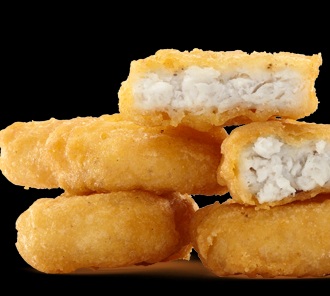
What does 'Silly Putty', breast implants and Chicken McNuggets have in common? -they share the same ingredient

chickenAnti-foaming agent found in Chicken McNuggets
by Mike Adams, the Health Ranger, Editor
NaturalNews.com
Sunday, June 26, 2011
(Image: NaturalNews)

(NaturalNews) Ever wonder what's really found in Chicken McNuggets? Some of the ingredients, it turns out, seem to belong more to an industrial factory of some kind, not a food retailer. According to the McDonald's Corporation, its famous Chicken McNuggets are made with ingredients including autolyzed yeast extract (which contain free glutamate, similar to MSG), sodium phosphates and sodium aluminum phosphate. But that's not the freaky part. According to McDonald's own website, Chicken McNuggets are also made with "hydrogenated soybean oil with TBHQ and citric acid added to preserve freshness" and "Dimethylpolysiloxane added as an antifoaming agent." (http://nutrition.mcdonalds.com/usnutri...)

At least two of these ingredients are artificially synthesized industrial chemicals. TBHQ, a petroleum derivative, is used as a stabilizer in perfumes, resins, varnishes and oil field chemicals. Laboratory studies have linked it to stomach tumors. "At higher doses, it has some negative health effects on lab animals, such as producing precursors to stomach tumors and damage to DNA. A number of studies have shown that prolonged exposure to high doses of TBHQ may be carcinogenic, especially for stomach tumors." (http://en.wikipedia.org/wiki/TBHQ)

Dimethylpolysiloxane, a type of silicone, is used in caulks and sealants, as a filler for breast implants, and as key ingredient in Silly Putty. Says Wikipedia:

"PDMS is also used as a component in silicone grease and other silicone based lubricants, as well as in defoaming agents, mold release agents, damping fluids, heat transfer fluids, polishes, cosmetics, hair conditioners and other applications. PDMS has also been used as a filler fluid in breast implants, although this practice has decreased somewhat, due to safety concerns. PDMS is used variously in the cosmetic and consumer product industry as well. For example, PDMS can be used in the treatment of head lice..." (http://en.wikipedia.org/wiki/Dimeth...) ...

(Click here to read the full article)